

Web Portals for Real Estate: From Listings to Live Leads
Dec 15, 20253 min read
Web Development
How Real Estate & Property Portals Use Web Development to Transform Property Discovery and Sales
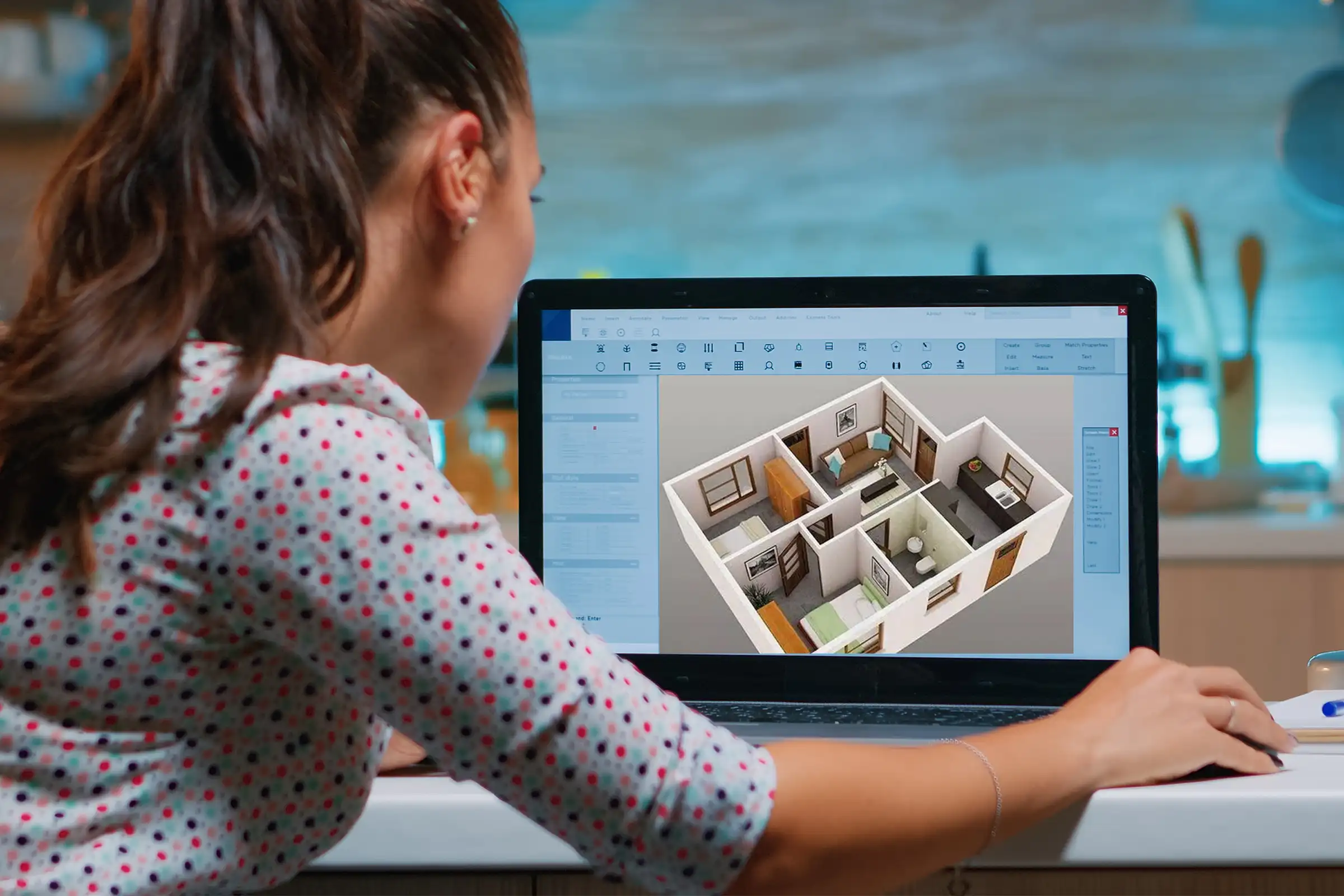
Table of Contents
Connecting Buyers and Agents Seamlessly
A well-designed portal integrates contact forms, schedule tours, and real-time communication features, bridging the gap between interest and action. Whether a visitor enquires for a property, books a site visit, or connects with an agent, the process feels seamless and instant. This reduces friction, ensures timely follow-up, and increases conversion potential.
Managing Data and Inventory at Scale
Real estate businesses often juggle numerous listings, property documents, and client data. A robust web portal centralizes all this information, making it searchable, filterable, and manageable. Agents and admins can update availability, pricing, and property details with ease — enabling accurate, up-to-date listings that build trust.
Conclusion
Real estate and property portals built on strong web development foundations enable efficient property discovery, improved user engagement, and streamlined lead generation. They bridge the gap between customers and agents while handling complex data seamlessly — making them essential for modern real estate business.
Enhancing SEO and Market Reach
Property portals with optimized content, fast performance, and mobile-friendly design reach more prospective buyers. With growing searches from mobile devices, responsive real estate sites maximize visibility and engagement. This ensures properties reach the right audience and attract genuine leads.
Introduction
In real estate, first impressions matter. A powerful property portal can turn passive browsers into active buyers by delivering immersive property listings, intuitive searches, and seamless contact flows. Web development transforms fragmented listing processes into unified, efficient platforms that connect buyers, sellers, and agents.
Transforming Listings into Engaging User Experiences
Rather than static pages with text and images, modern real estate portals offer dynamic listings with interactive maps, filters, high-resolution galleries, and virtual tours. This rich digital experience lets users explore properties in detail, compare options, and visualize spaces — significantly improving engagement and lead quality.