

Transforming Factories with IoT & Automation
Dec 15, 20253 min read
IoT & Automation
How IoT & Automation is Driving Efficiency, Safety, and Growth in Manufacturing
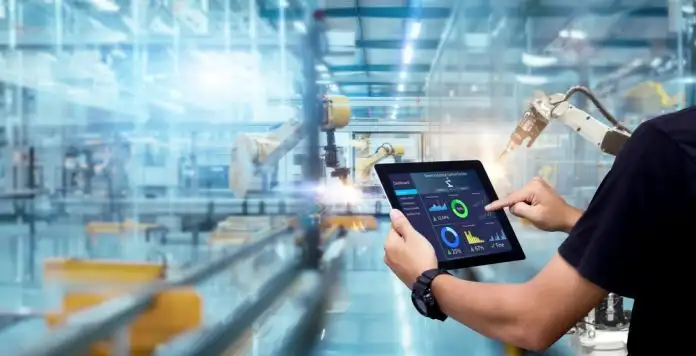
Table of Contents
Introduction
In an era where speed, precision, and reliability define competitive manufacturing, IoT and automation are revolutionizing the production floor. By embedding sensors, connected devices, and real-time analytics into machinery and workflows, factories are becoming smarter, safer, and more efficient. What once was manual oversight and reactive maintenance is now predictive, data-driven operations that improve output while cutting costs.
From Manual Monitoring to Real-Time Insights
With IoT sensors on machines, temperature, vibration, energy usage, and operational cycles are tracked in real time. Automated dashboards provide factory managers with live visibility into equipment status, efficiency metrics, and bottlenecks. This continuous monitoring means issues are caught before they escalate and production flows are optimized proactively rather than reactively.
Predictive Maintenance and Reduced Downtime
Instead of relying on fixed maintenance schedules, IoT systems analyze sensor data and predict when machinery may fail or require servicing. Automation triggers maintenance alerts or schedule adjustments only when needed. This shift dramatically reduces unplanned downtime, lowers repair costs, and extends equipment life—transforming maintenance from a cost center into a strategic advantage.
Optimizing Production and Energy Efficiency
IoT-connected manufacturing systems monitor energy consumption, resource usage, and workflow efficiency, enabling smart scheduling and load balancing. Automation adjusts machine operations dynamically to match demand, minimize idle time, and reduce waste. This results in higher throughput, lower energy bills, and a more sustainable manufacturing process—key benefits in today’s eco-conscious business environment.
Conclusion
IoT and automation are no longer optional for modern manufacturing — they are the foundation of Industry 4.0. By enabling real-time monitoring, predictive maintenance, and efficient resource use, these technologies help factories stay competitive, agile, and profitable. Investing in smart manufacturing infrastructure today paves the way for long-term scalability and operational excellence.