

AR/VR Training in Automotive: Enhancing Skills Through Immersive Learning
Dec 15, 20252 min read
Automotive SolutionsAR/VR Solutions
How AR/VR Technologies Transform Automotive Workforce Training
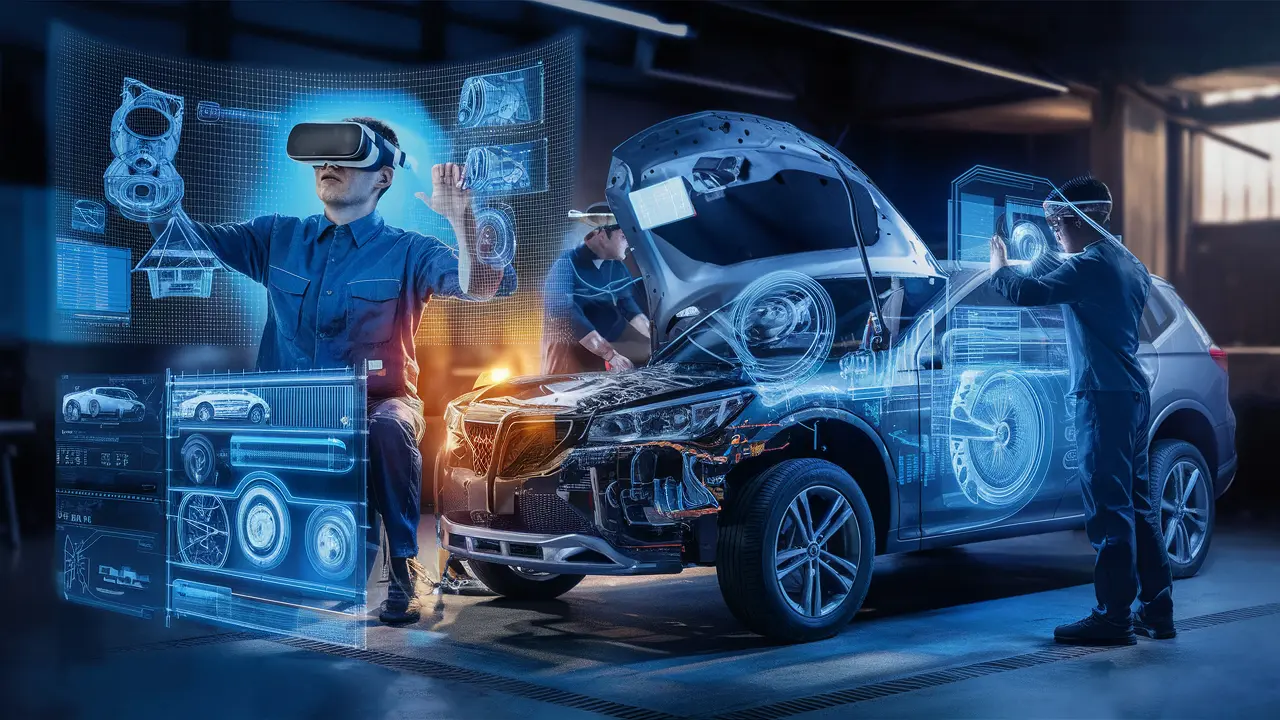
Table of Contents
Introduction
Automotive training has entered a new era with AR and VR technologies providing immersive, hands-on learning experiences without the risks or costs of physical equipment. Technicians, assembly workers, and service staff can now practice procedures virtually, gaining confidence and precision long before working on actual vehicles. This shift enhances training effectiveness and accelerates workforce readiness.
Bridging Skill Gaps with Immersive Simulations
VR training recreates engines, components, and workshop environments in realistic 3D, allowing learners to practice assembly, diagnostics, and repair tasks repeatedly. This immersive approach builds muscle memory and enhances understanding of complex automotive systems. Mistakes become learning opportunities without real-world consequences.
Enhancing On-Site Work with AR Guidance
AR overlays offer real-time, step-by-step instructions projected directly onto vehicle components during live maintenance tasks. Technicians follow guided visuals instead of flipping through manuals, reducing errors and speeding up procedures. This improves accuracy and ensures consistent service quality across dealerships and service centers.
Improving Safety and Reducing Training Costs
By simulating hazardous scenarios in VR, employees learn safe practices without exposure to real risks. This reduces workplace accidents and improves compliance. Moreover, AR/VR cuts training costs by reducing the need for physical vehicles, tools, and consumables while enabling scalable, repeatable training programs.
Conclusion
AR/VR training is redefining how automotive professionals learn, practice, and perform their tasks. These immersive technologies increase confidence, safety, and efficiency at every skill level. As vehicles become more complex, AR/VR training ensures that the workforce remains knowledgeable, prepared, and adaptable.