

Mobile Shopping Apps: Turning Everyday Browsing into Sales
Dec 15, 20253 min read
Mobile App DevelopmentWeb Development
How Retail & Shopping Apps Drive Engagement, Loyalty, and Revenue Growth
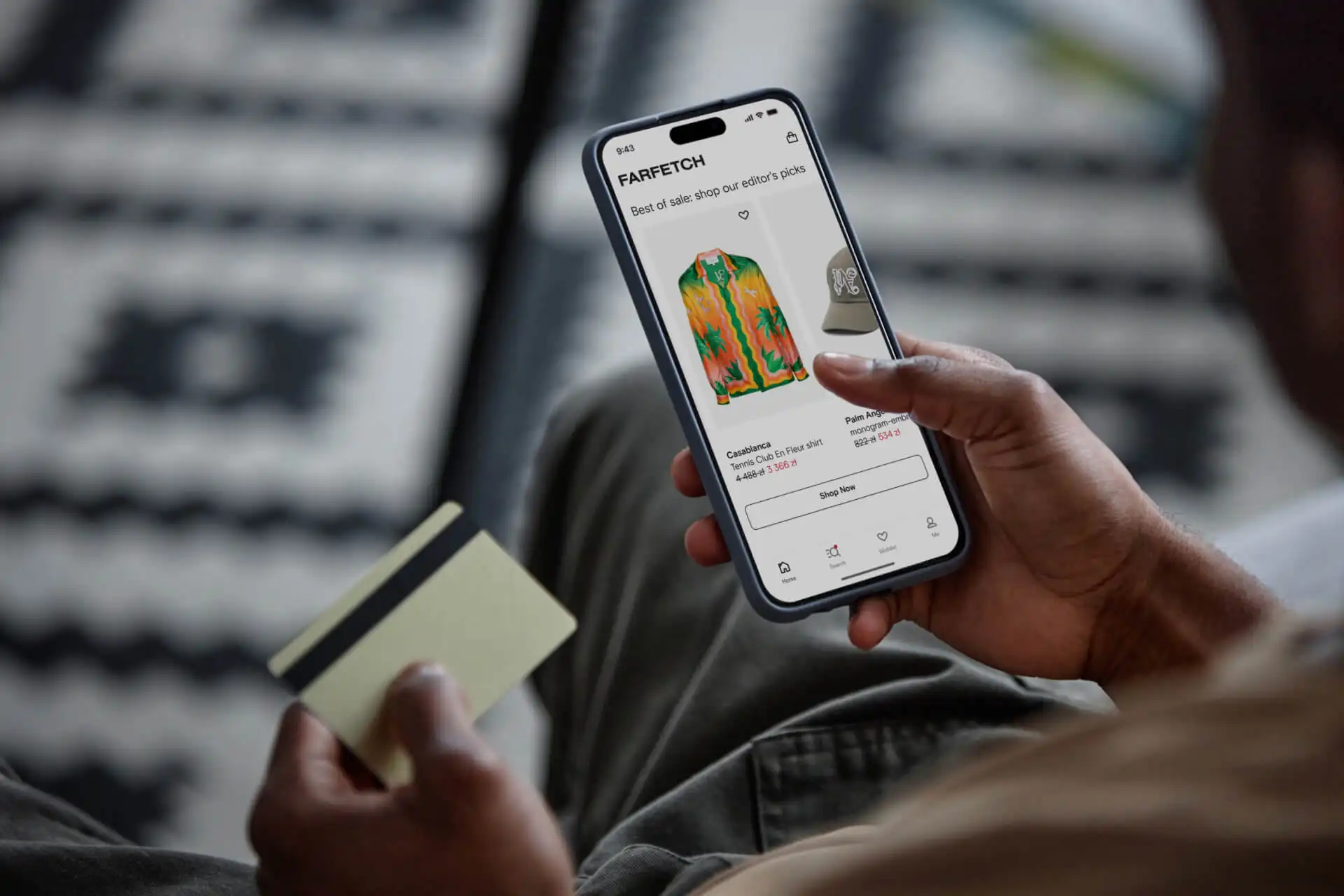
Table of Contents
Introduction
Retail has shifted from crowded aisles to curated screens, and mobile shopping apps now sit at the heart of this transformation. Customers expect to browse, compare, and buy from their phones in seconds, and brands that invest in powerful, well-designed retail apps are seeing higher engagement, better loyalty, and stronger revenue. Mobile app development for retail is no longer just about listing products; it is about crafting personalized, frictionless experiences that keep customers coming back.
From Storefront to Pocket: Always-On Retail Experiences
A dedicated retail app keeps a brand constantly accessible, enabling customers to discover products any time they unlock their phone. Smart navigation, intuitive search, and personalized product feeds make the experience feel tailored rather than generic. For retailers, this translates into more frequent visits, longer browsing sessions, and a direct channel to communicate offers and updates without relying solely on ads or email campaigns.
Personalization, Offers, and Loyalty in One Place
Retail and shopping apps are powerful engines for personalization, using data to surface relevant recommendations, exclusive deals, and loyalty rewards. Customers can track their points, review past orders, and receive time-sensitive promotions that match their preferences. This high level of relevance encourages repeat purchases and deepens the emotional connection between brand and buyer, turning casual customers into long-term advocates.
Seamless Checkout and Omnichannel Integration
A robust shopping app streamlines checkout with stored profiles, secure payment gateways, and support for multiple payment methods, significantly reducing cart abandonment. When connected with in-store systems, inventory, and loyalty programs, the app becomes the bridge between physical and digital retail, supporting features such as click-and-collect, in-store QR scanning, and unified customer profiles across all touchpoints.
Conclusion
Retail and shopping apps are now essential tools for brands that want to win in a mobile-first world. By combining convenience, personalization, and seamless checkout, a well-crafted mobile app transforms everyday browsing into consistent sales and enduring customer relationships. Investing in mobile app development is one of the most effective ways for retailers to secure their future in a competitive marketplace.